Advantages of Super Napier grass are as follows:
1. High Yield & Fodder Security
Exceptional yield: Produces 350–400 tons per acre per year under ideal management.
Multiple harvests: Allows 3-4 cuttings annually, ensuring uninterrupted fodder supply.
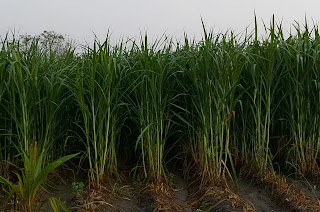
High biomass production: Dense growth offers far more green fodder than traditional grasses.
2. Improved Dairy Productivity
Highly nutritious fodder: Rich in protein and energy, supporting higher milk yield and better animal health.
Excellent palatability: Soft stems and high moisture content make it highly preferred by cattle.
Lower feed costs: Reduces dependency on expensive concentrate feeds.
3. Soil & Water Benefits
Soil conservation: Strong root system prevents soil erosion and improves soil structure.
Water efficiency: Requires less irrigation compared to many conventional fodder crops.
Sustainable farming: Ideal renewable biomass source for biogas and organic manure production.
4. Economic Advantages
Low input requirement: Minimal need for fertilizers and pesticides.
Year-round income stability: Continuous fodder supply supports steady milk production.
Additional revenue potential: Excess biomass can be utilized for biogas plantsand composting.



Comments
Post a Comment